Compare the graphics cards in our catalog: NVIDIA GeForce RTX and AMD Radeon RX GPUs for 1080p, 1440p and 4K gaming, with VRAM, up-to-date prices and a direct Amazon link.
30 products availableVerified stock and secure shipping
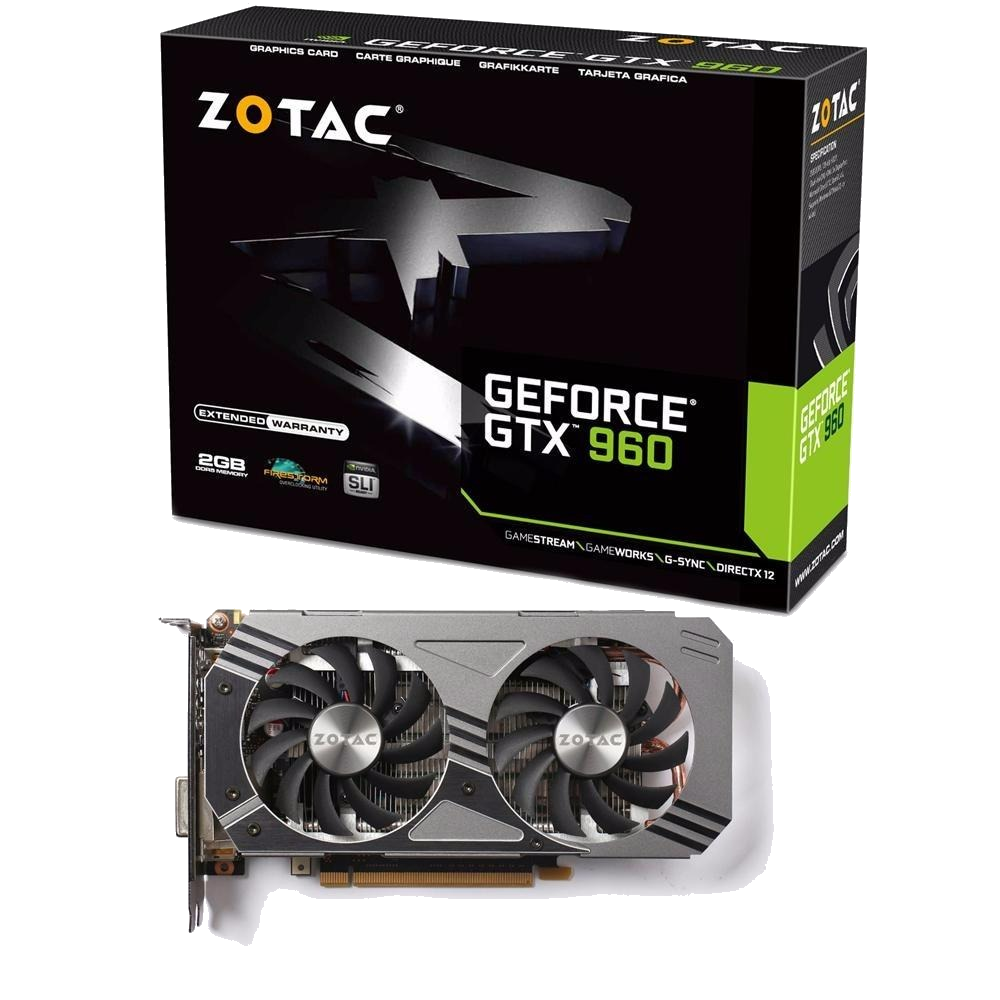
NVIDIA GTX 960 graphics card with 2GB GDDR5 and DirectX 12 support, ideal for eSports titles and light 1080p gaming
ASUS
ASUS Dual NVIDIA GeForce RTX 5060 8GB GDDR7 OC Edition
RTX 5060 graphics card with 8GB GDDR7, DLSS 4 and NVIDIA Blackwell architecture for modern gaming at 1080p and 1440p
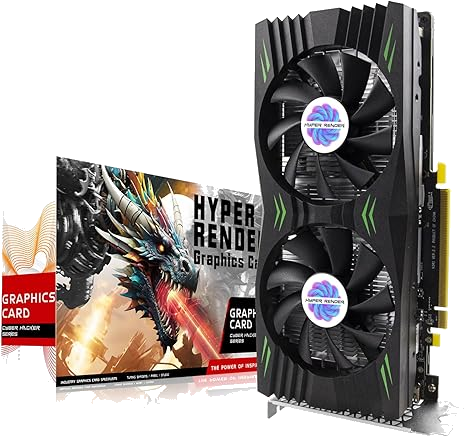
HyperRender
HyperRender RX 580 8GB 2048SP
RX 580 graphics card with 8GB GDDR5 and a 256-bit bus, ideal for 1080p gaming and multi-monitor setups
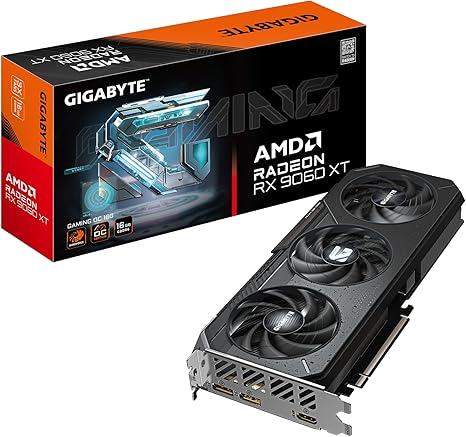
GIGABYTE
GIGABYTE Radeon RX 9060 XT Gaming OC 16G
Radeon RX 9060 XT graphics card with 16GB GDDR6, PCIe 5.0 and the WINDFORCE cooling system for high-performance 1440p gaming
ASUS
ASUS Dual NVIDIA GeForce RTX 5060 Ti 16GB GDDR7 OC Edition
RTX 5060 Ti with 16GB GDDR7, DLSS 4 and Blackwell architecture. An excellent choice for 1440p gaming and content creation
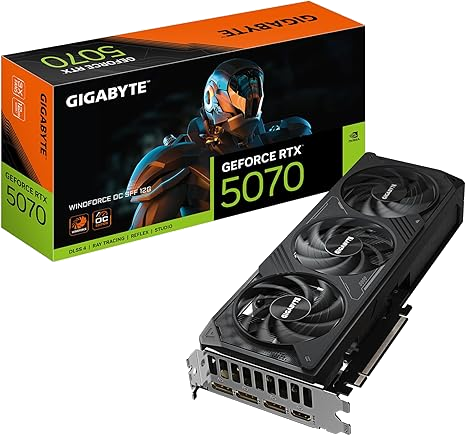
GIGABYTE
GIGABYTE GeForce RTX 5070 WINDFORCE OC SFF 12G
RTX 5070 with 12GB GDDR7 and DLSS 4, built for high-quality 1440p gaming and compact SFF builds
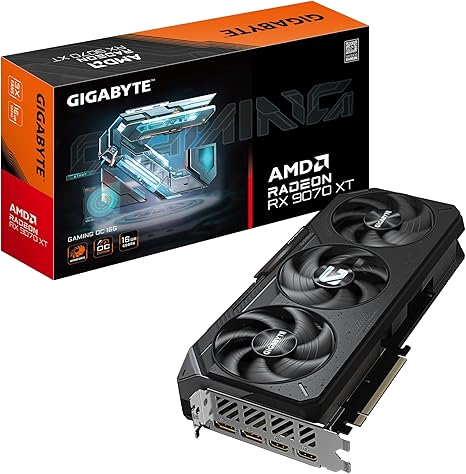
GIGABYTE
GIGABYTE Radeon RX 9070 XT Gaming OC 16G
Radeon RX 9070 XT with 16GB GDDR6 and WINDFORCE cooling, built for demanding gaming at 1440p and 4K
ASUS
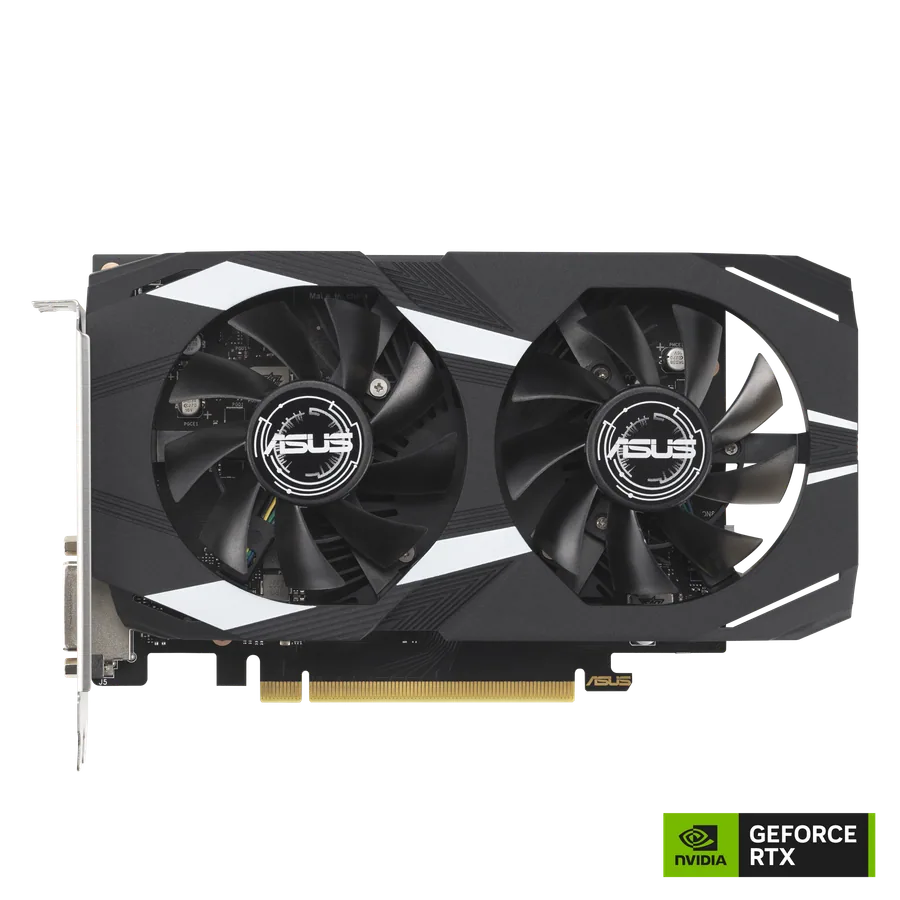
ASUS Dual GeForce RTX 3050 6GB GDDR6 OC Edition
RTX 3050 with 6GB GDDR6, dual fans and Ampere architecture. An entry-level pick for 1080p gaming with DLSS and low power draw.
MSI
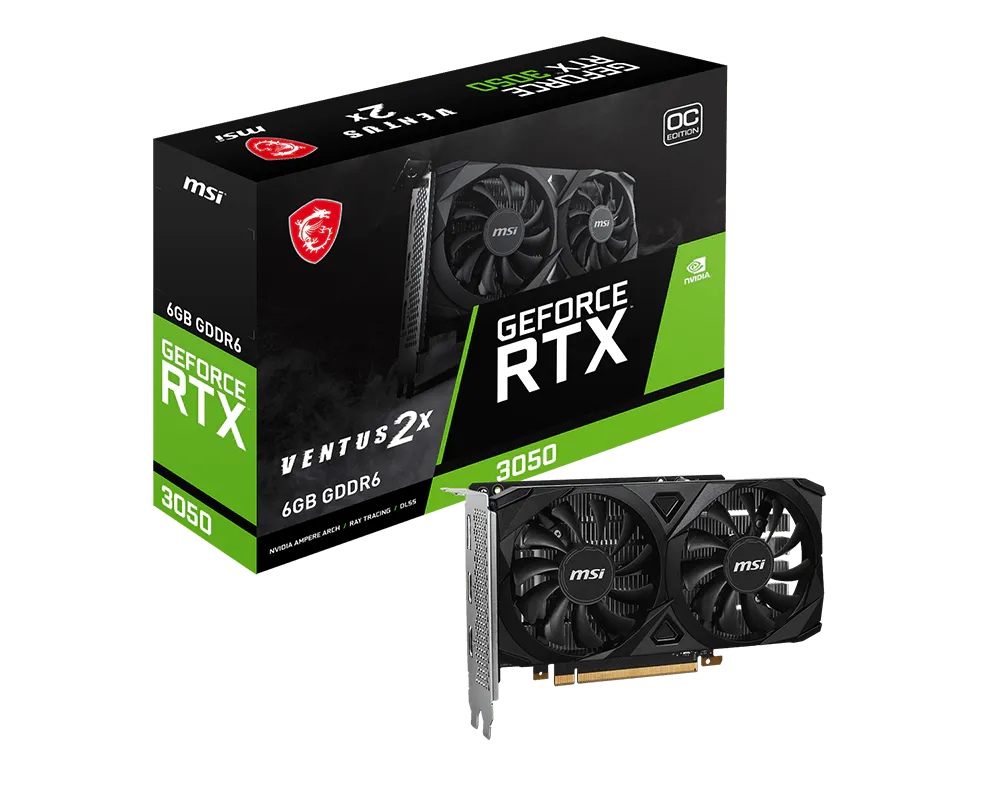
MSI Gaming RTX 3050 Ventus 2X 6G OC
RTX 3050 with 6GB GDDR6 and dual Torx fans. A good fit for eSports and popular 1080p titles with modest power requirements.
GIGABYTE
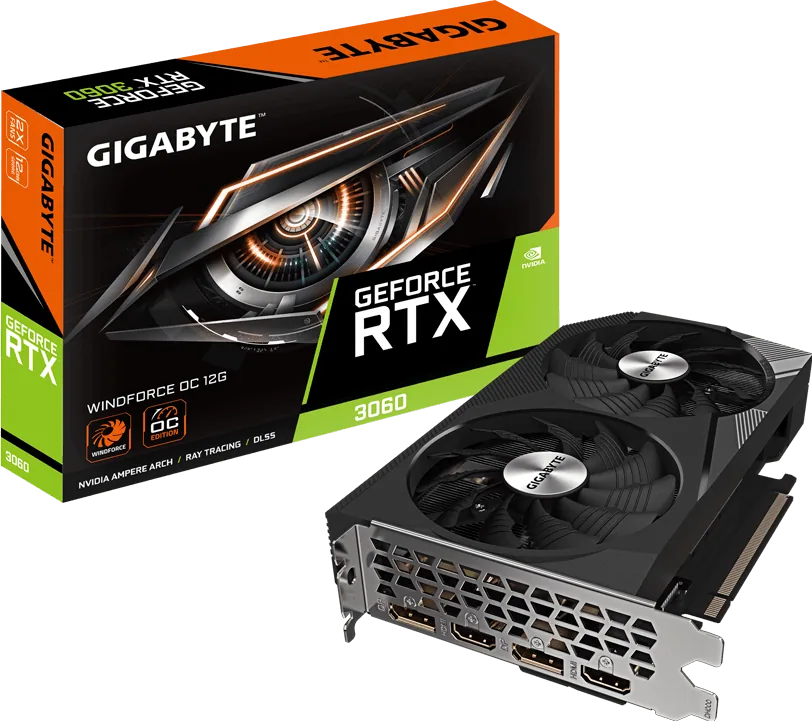
GIGABYTE GeForce RTX 3060 WINDFORCE OC 12G
RTX 3060 with 12GB GDDR6 and a dual-fan WINDFORCE cooler. Plenty of VRAM for high-setting 1080p and medium-setting 1440p.
ASRock
ASRock Radeon RX 7600 Challenger Pro 8GB OC
Radeon RX 7600 with 8GB GDDR6, RDNA 3 architecture and triple fans with 0dB silent mode. Built for smooth high-quality 1080p gaming.
SPARKLE
Sparkle Intel Arc B580 Titan OC 12GB GDDR6
Intel Arc B580 with 12GB GDDR6 and Tornado 2.0 cooling. A VRAM-rich alternative for 1080p and 1440p at a good price.
SPARKLE
Sparkle Intel Arc A380 ELF 6GB GDDR6
Intel Arc A380 with 6GB GDDR6 and a single fan. Compact and low-power, useful for light builds, streaming and undemanding games.
ASRock
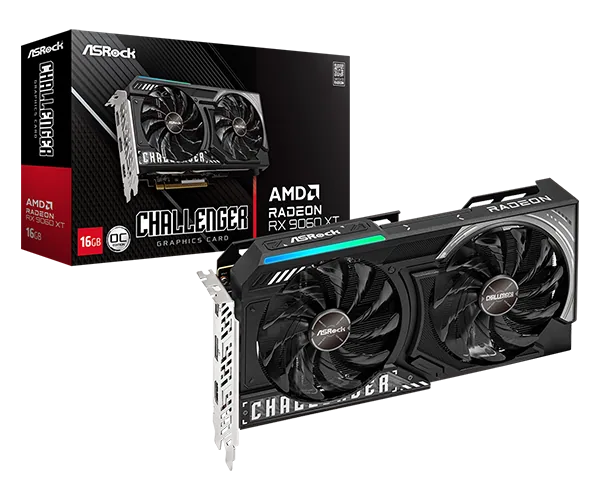
ASRock Radeon RX 9060 XT Challenger 16GB OC
Radeon RX 9060 XT with 16GB GDDR6, RDNA 4 architecture and PCIe 5.0. Solid 1440p performance with a single 8-pin connector.
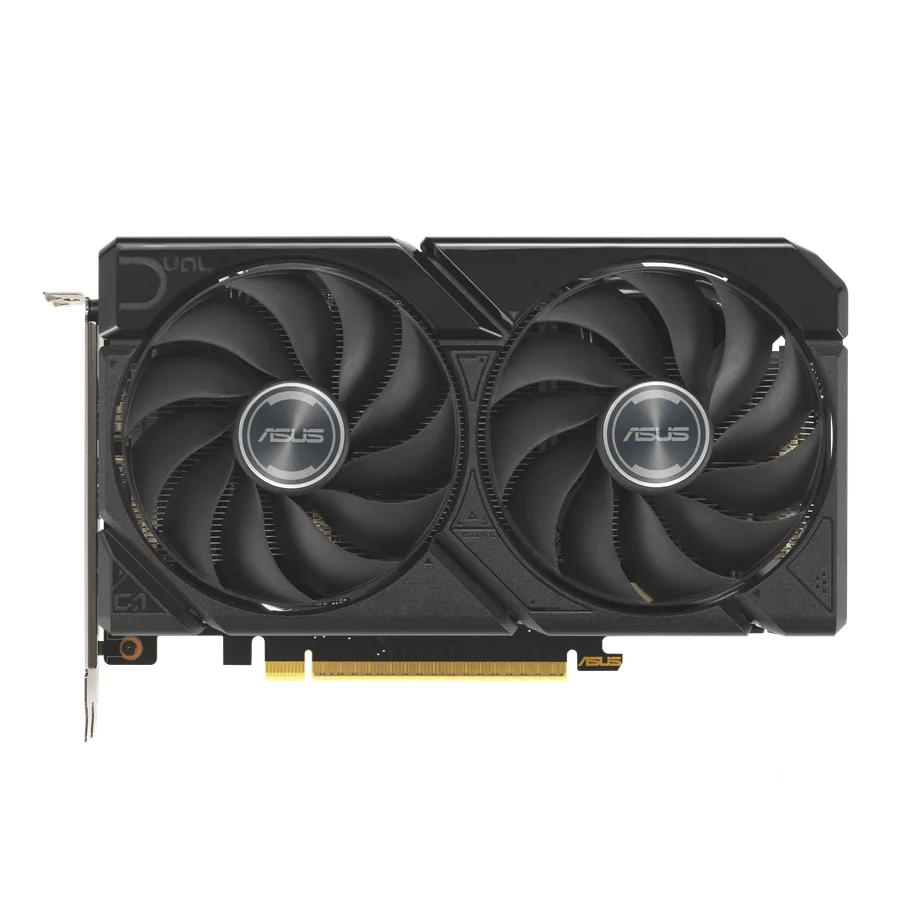
ASUS
ASUS Dual Radeon RX 9060 XT 16GB GDDR6
Radeon RX 9060 XT with 16GB, axial-tech fans, a 2.5-slot design and 0dB mode. Built for 1440p with ray tracing.
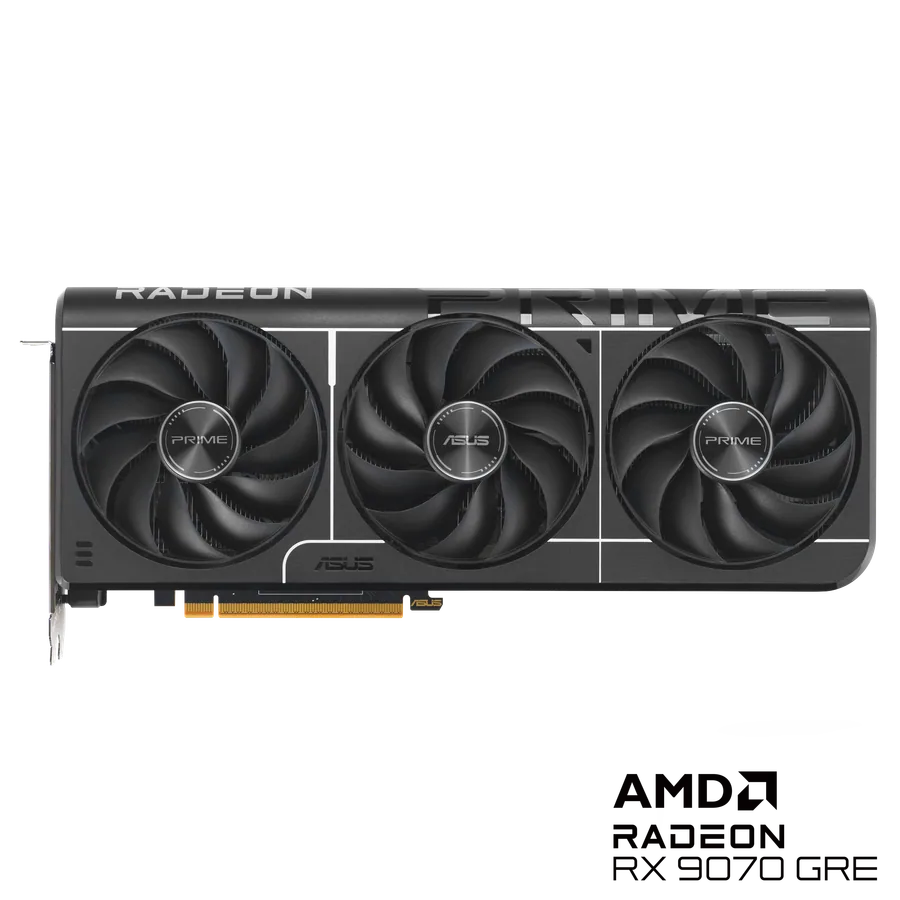
ASUS
ASUS Prime Radeon RX 9070 GRE EVO OC Edition
Radeon RX 9070 GRE with 12GB GDDR6, dual BIOS and double ball bearing fans. A middle ground between the 9060 XT and 9070 XT for 1440p.
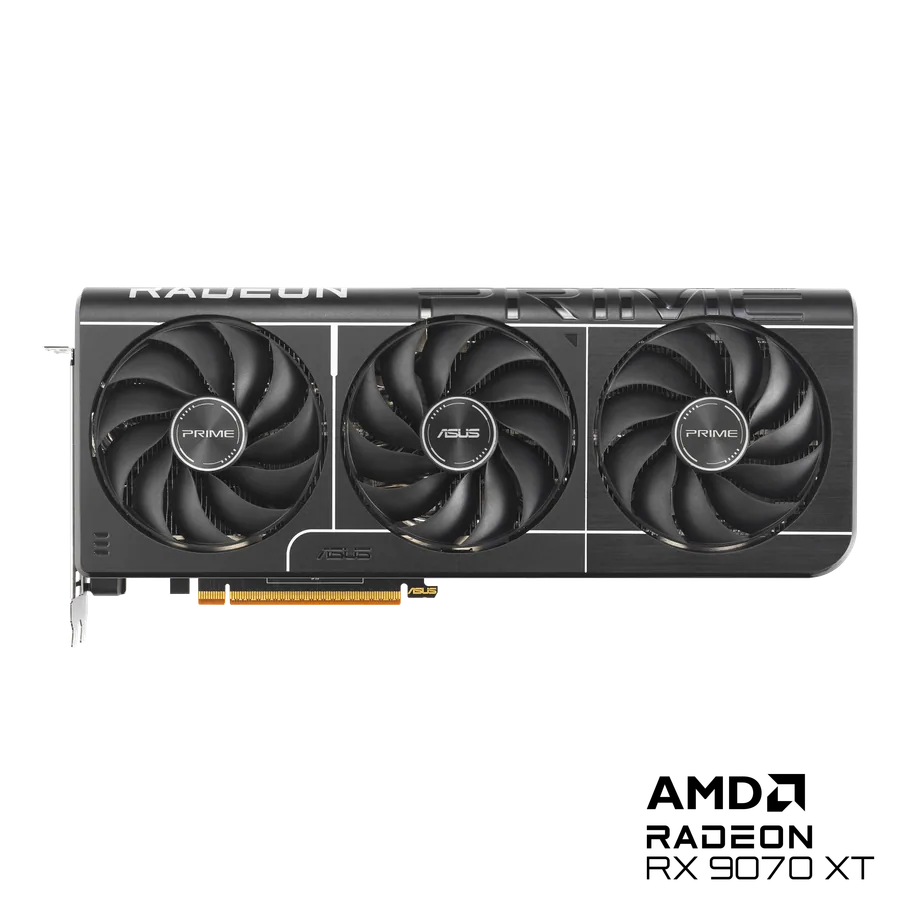
ASUS
ASUS Prime Radeon RX 9070 XT 16GB GDDR6 OC Edition
Radeon RX 9070 XT with 16GB GDDR6 and RDNA 4 architecture, built for high-setting 1440p and 4K gaming with FSR.
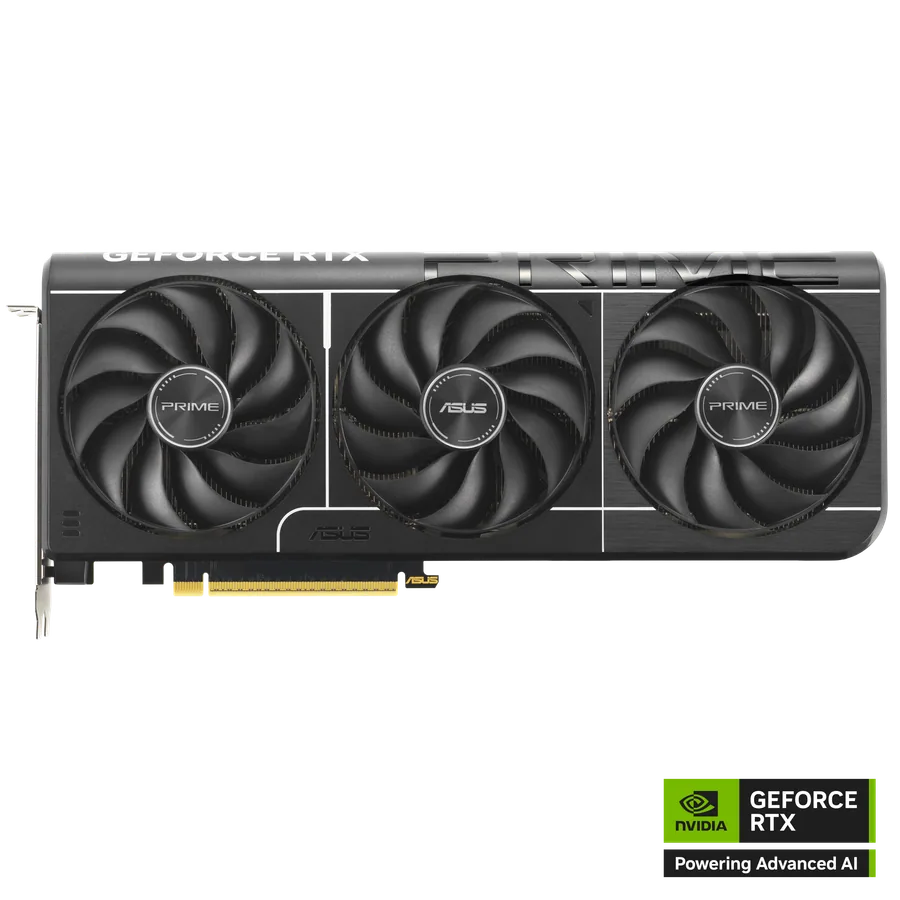
ASUS
ASUS Prime GeForce RTX 5070 12GB GDDR7 OC Edition
RTX 5070 with 12GB GDDR7, DLSS 4 and Blackwell architecture. One of the best picks for 1440p with ray tracing.
PNY
PNY GeForce RTX 5070 Ti OC Triple-Fan
RTX 5070 Ti with 16GB GDDR7 and three fans. Plenty of power for high-frame-rate 1440p and 4K with DLSS 4.
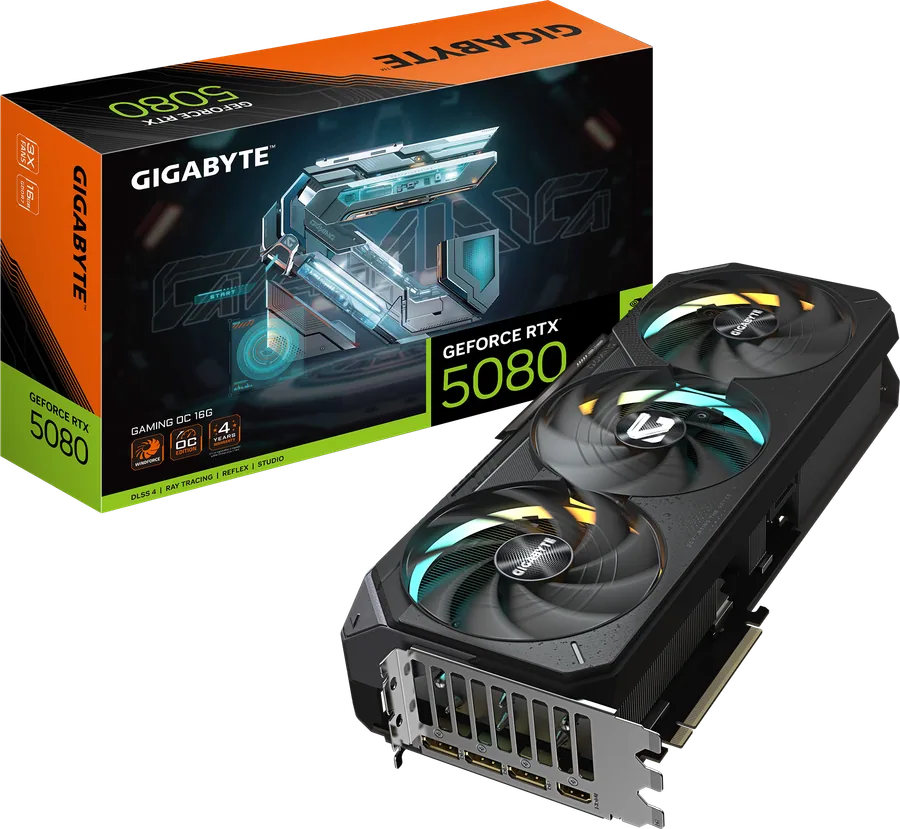
GIGABYTE
GIGABYTE GeForce RTX 5080 Gaming OC 16G
RTX 5080 with 16GB GDDR7 and WINDFORCE cooling. High-end performance for 4K, ray tracing and content creation.
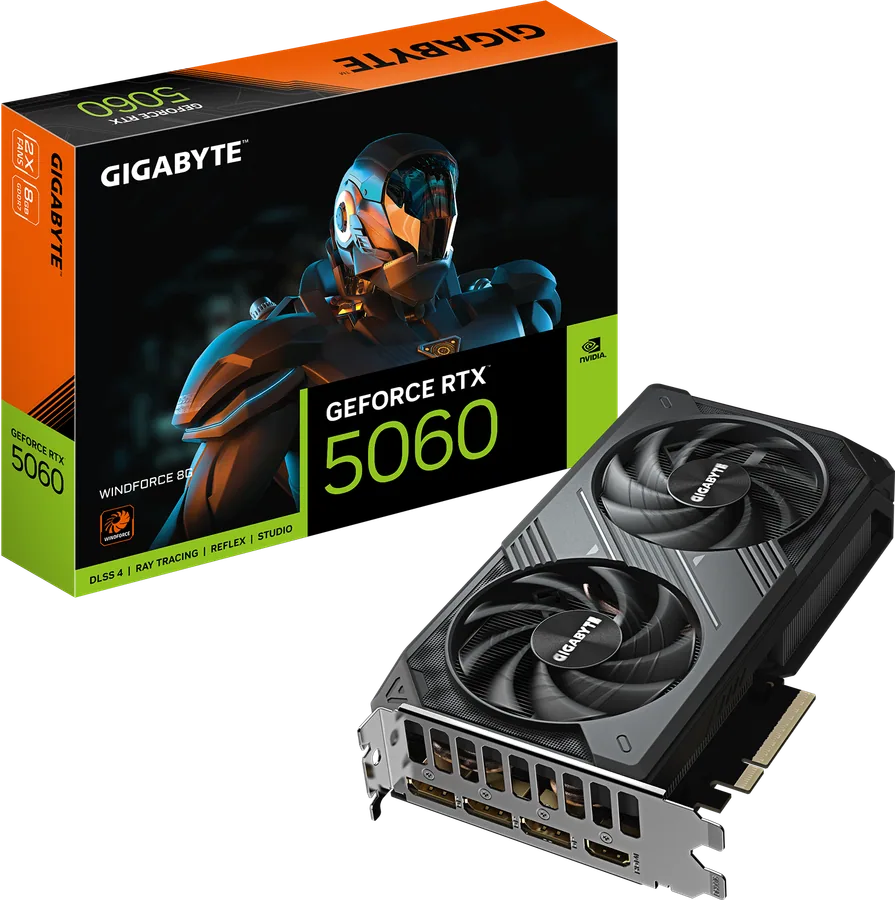
Gigabyte
GIGABYTE GeForce RTX 5060 WINDFORCE OC 8G
GIGABYTE GeForce RTX 5060 WINDFORCE OC 8G graphics card from Gigabyte with 8 GB GDDR7 and a 128 bits bus. A solid option for gaming and content creation with current technology.
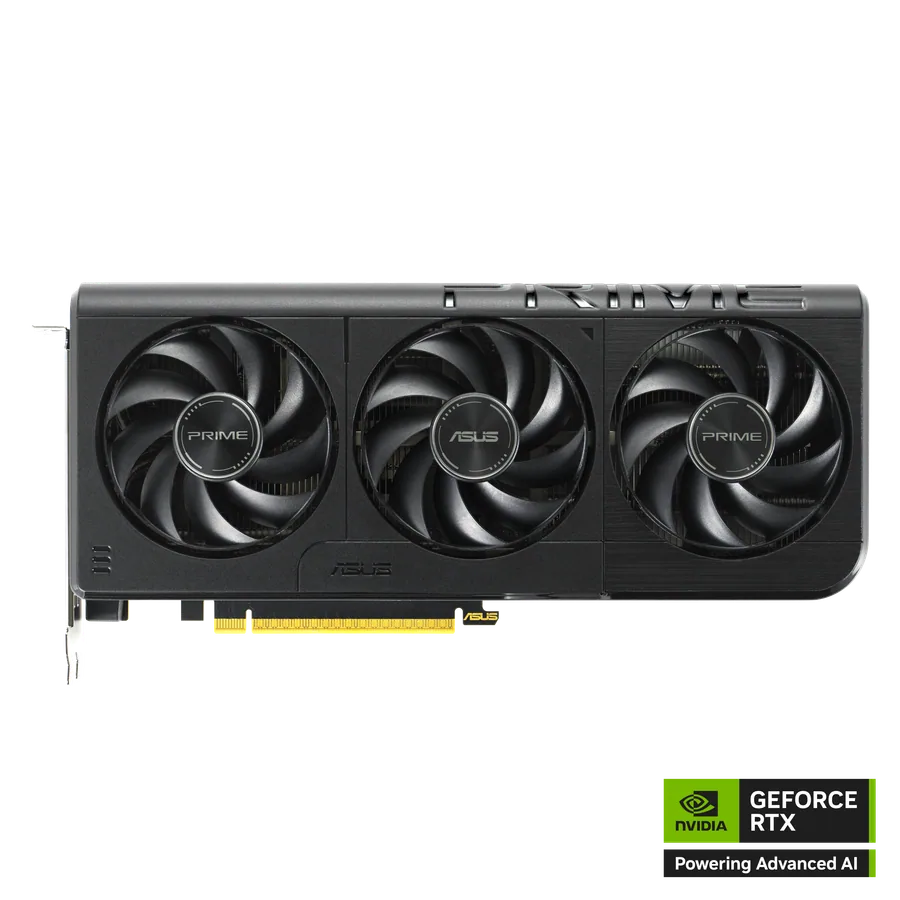
ASUS
ASUS Prime GeForce RTX 5060 8GB GDDR7
ASUS Prime GeForce RTX 5060 8GB GDDR7 graphics card from ASUS with 8 GB GDDR7 and a 128 bits bus. A solid option for gaming and content creation with current technology.
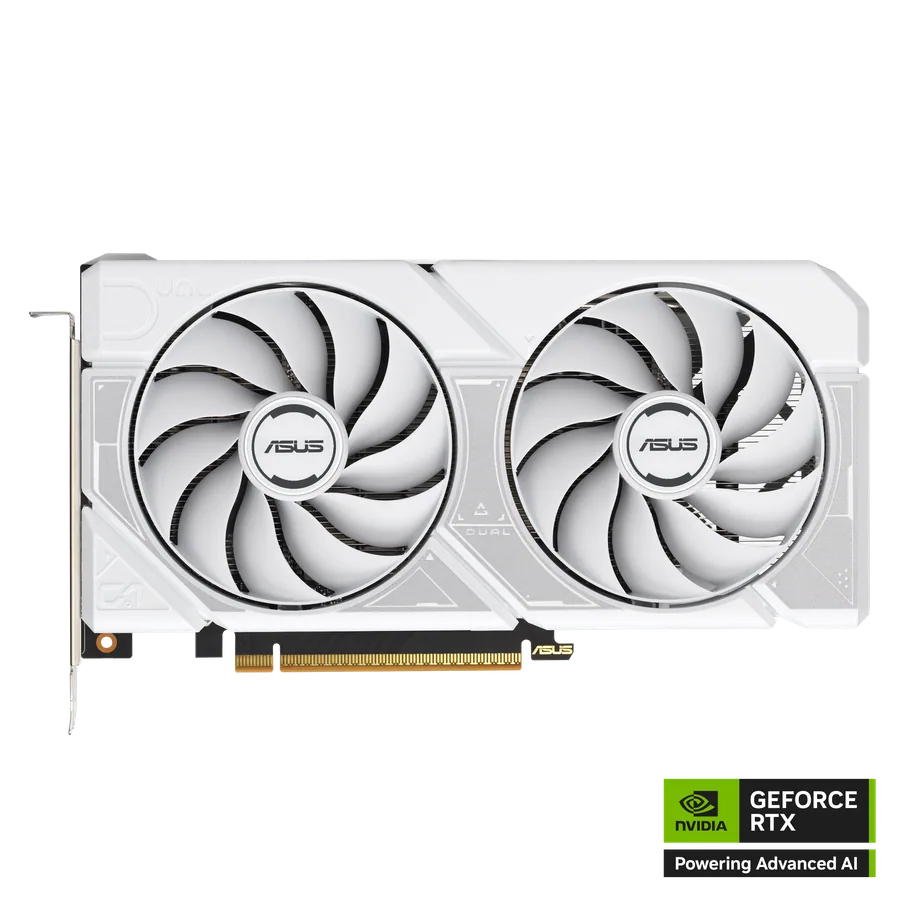
ASUS
ASUS Dual GeForce RTX 5060 8GB White OC Edition
ASUS Dual GeForce RTX 5060 8GB White OC Edition graphics card from ASUS with 8 GB GDDR7 and a 128 bits bus. A solid option for gaming and content creation with current technology.
XFX
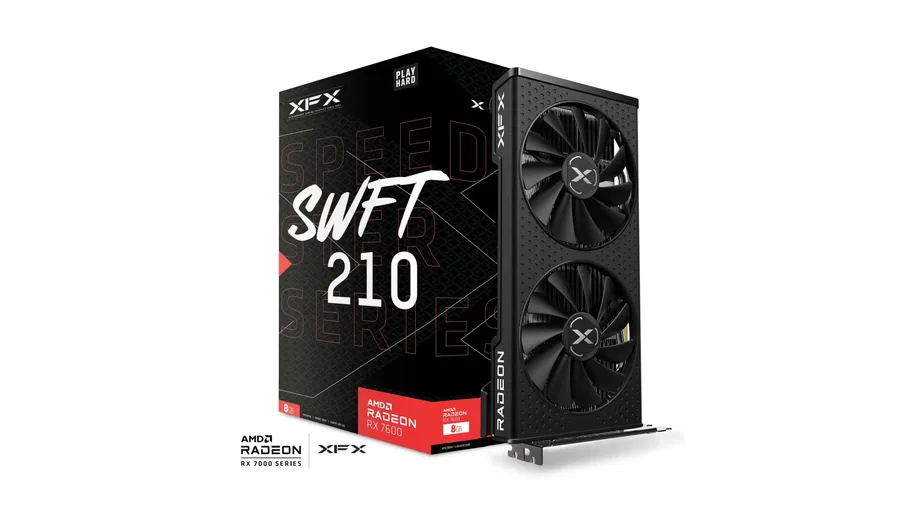
XFX Speedster SWFT210 Radeon RX 7600 8GB
XFX Speedster SWFT210 Radeon RX 7600 8GB graphics card from XFX with 8 GB GDDR6 and a 128 bits bus. A solid option for gaming and content creation with current technology.
Gigabyte
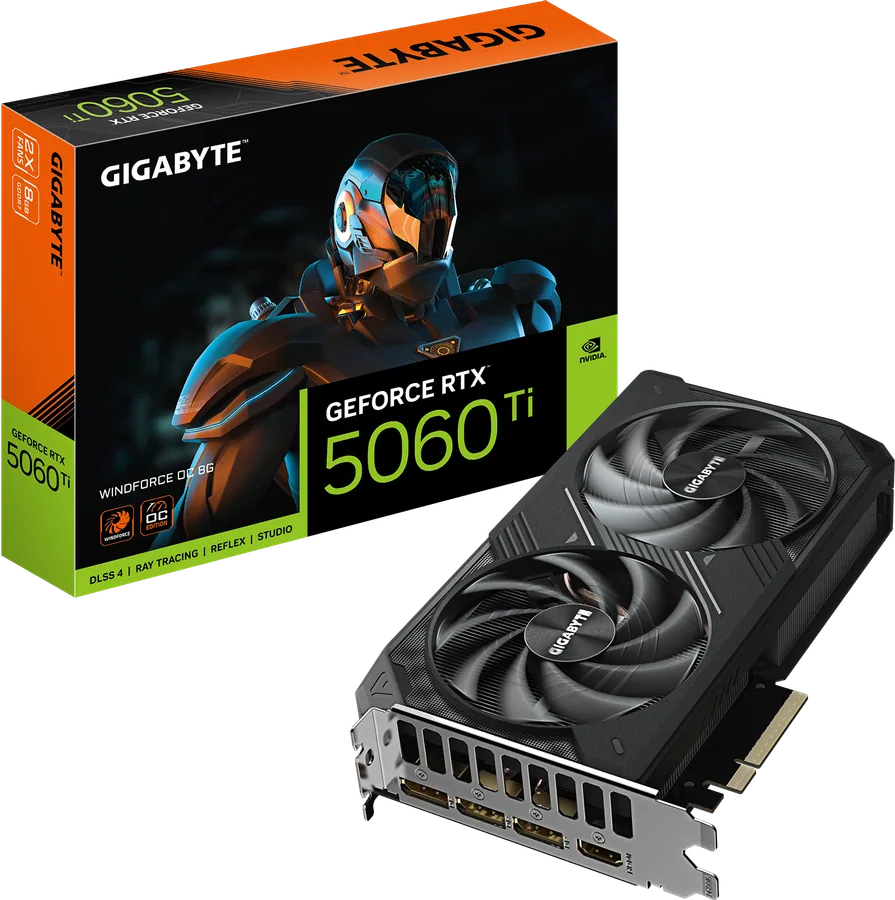
GIGABYTE GeForce RTX 5060 Ti WINDFORCE OC 8G
GIGABYTE GeForce RTX 5060 Ti WINDFORCE OC 8G graphics card from Gigabyte with 8 GB GDDR7 and a 128 bits bus. A solid option for gaming and content creation with current technology.
ASUS
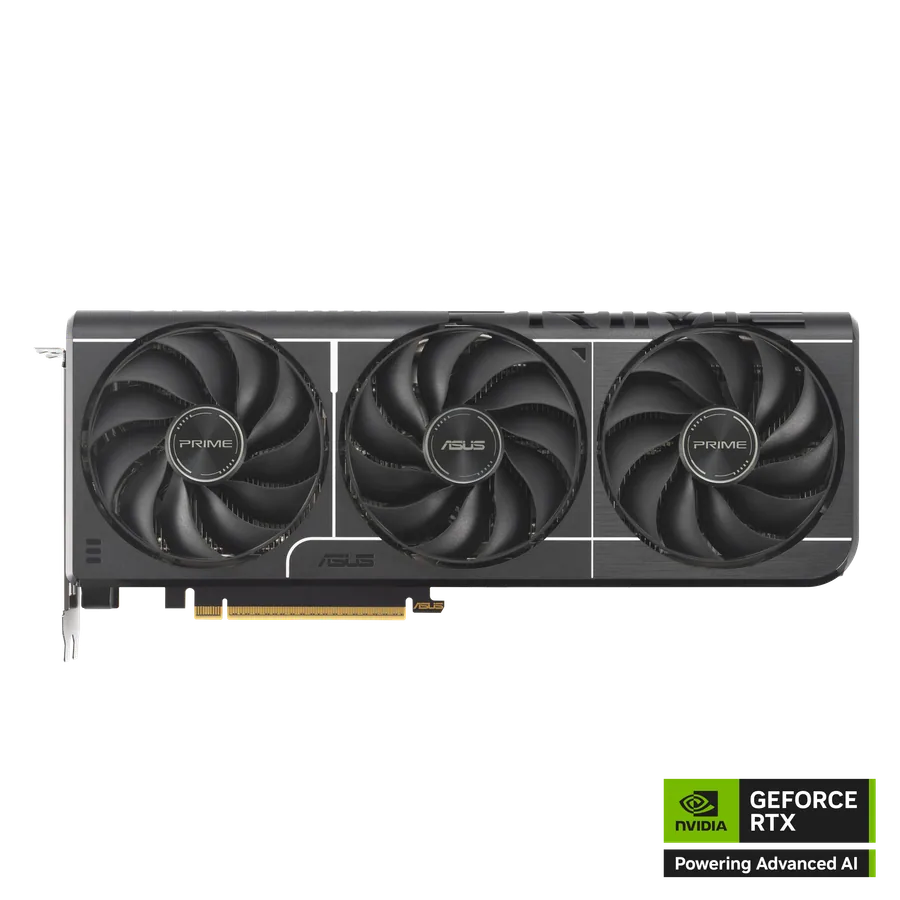
ASUS Prime GeForce RTX 5060 Ti 16GB GDDR7
ASUS Prime GeForce RTX 5060 Ti 16GB GDDR7 graphics card from ASUS with 16 GB GDDR7 and a 128 bits bus. A solid option for gaming and content creation with current technology.
ASRock
ASRock Radeon RX 9070 Challenger OC 16GB
ASRock Radeon RX 9070 Challenger OC 16GB graphics card from ASRock with 16 GB GDDR6 and a 256 bits bus. A solid option for gaming and content creation with current technology.
Gigabyte
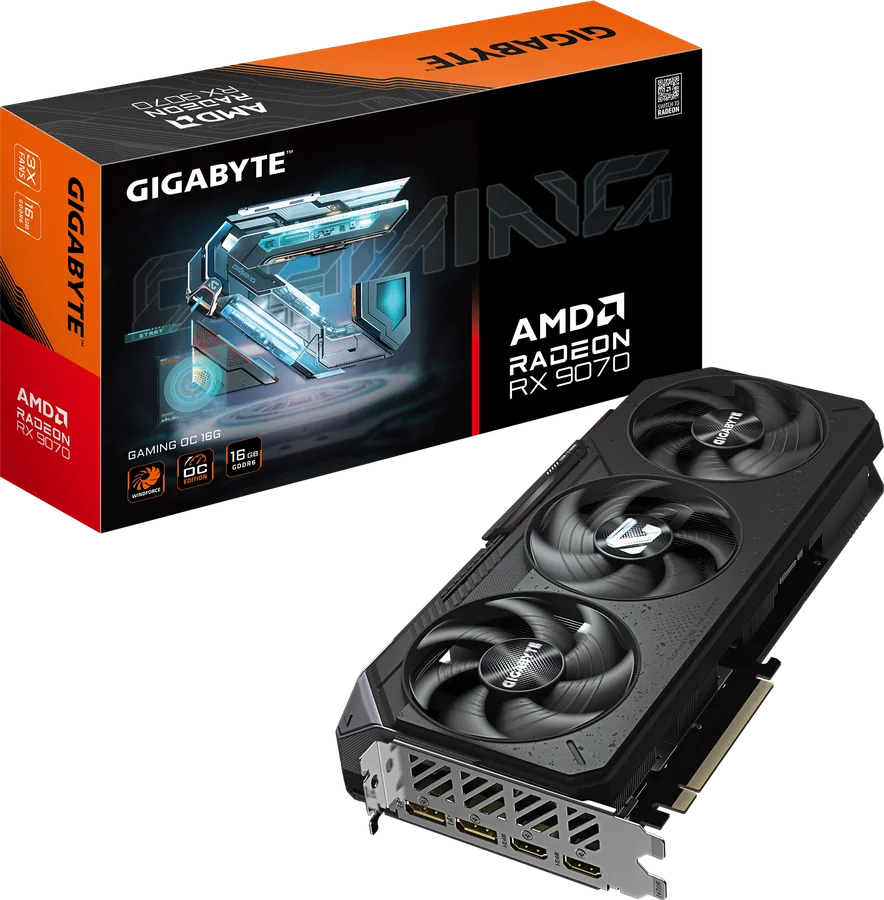
GIGABYTE Radeon RX 9070 Gaming OC 16G
GIGABYTE Radeon RX 9070 Gaming OC 16G graphics card from Gigabyte with 16 GB GDDR6 and a 256 bits bus. A solid option for gaming and content creation with current technology.
PNY
PNY GeForce RTX 5070 Epic-X RGB OC Triple Fan
PNY GeForce RTX 5070 Epic-X RGB OC Triple Fan graphics card from PNY with 12 GB GDDR7 and a 192 bits bus. A solid option for gaming and content creation with current technology.
ASUS
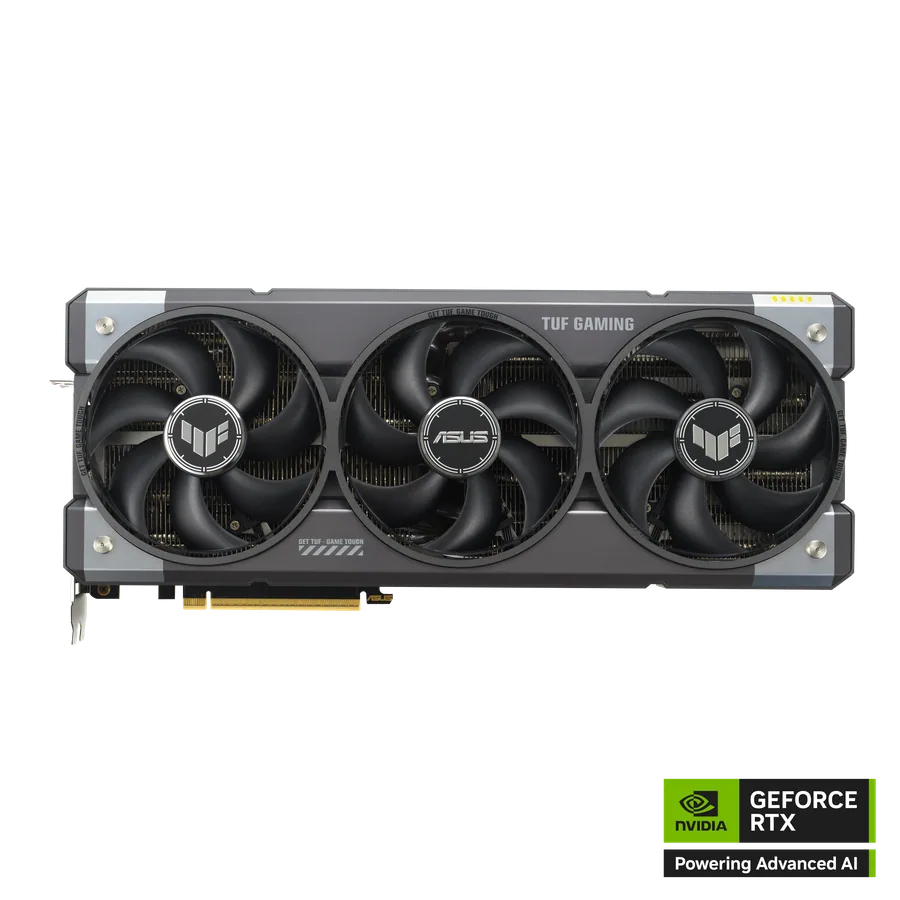
ASUS TUF Gaming GeForce RTX 5080 16GB OC
ASUS TUF Gaming GeForce RTX 5080 16GB OC graphics card from ASUS with 16 GB GDDR7 and a 256 bits bus. A solid option for gaming and content creation with current technology.
The graphics card (GPU) decides your FPS. Choose by resolution: a 1080p graphics card needs less VRAM, while 1440p and 4K need more memory and more power. Many shoppers also filter by video memory: 8GB, 12GB or 16GB.
You can pick an NVIDIA GeForce card, with DLSS and ray tracing, or an AMD Radeon one, with great value per dollar. All the NVIDIA graphics cards and AMD graphics cards on the list (every NVIDIA GPU and AMD GPU) show price and specs, and you can set a budget with the graphics cards under $400. Pair your graphics card for PC with a power supply that has enough wattage.
How to choose your PC graphics card?
The graphics card is the most important component for gaming. Whether you are after a video card for competitive 1080p or a high-end PC graphics card for 4K, these are the factors that define your choice:
VRAM: 8 GB for 1080p graphics cards, 12 GB or more for 1440p and 4K.
Target resolution: do not invest in a high-end video card if you play at Full HD.
DLSS (NVIDIA) and FSR (AMD): technologies that boost your graphics card performance without losing visual quality.
Ray tracing: demanding on any video card; prioritize high framerates in competitive play.
Power supply: make sure it has the connectors and wattage your graphics card TDP requires.
Every PC graphics card in our catalog ships directly from Amazon, with warranty and hassle-free returns.
Common mistakes when buying a graphics card
Avoid these slips before you add anything to your cart:
Looking only at VRAM: more gigabytes do not mean more performance. A slow 16 GB card can lose to a faster 12 GB one; check the chip first and the memory second.
Forgetting the power supply: every card asks for a minimum wattage and specific connectors (8-pin or 12V-2×6). With an undersized PSU the PC can shut off mid-game.
Not measuring the case: many cards are over 30 cm long and take up three slots. Check your case's maximum GPU length before buying.
Pairing it with a CPU that holds it back: a powerful GPU with an old low-core CPU cannot deliver all its frames (bottleneck).
Paying for a resolution you do not use: a 4K-class card with a 1080p 60 Hz monitor is wasted money. Match the card to your monitor.
Best-selling Graphics Cards
ZOTAC GeForce GTX 960 2GB GDDR5
NVIDIA GTX 960 graphics card with 2GB GDDR5 and DirectX 12 support, ideal for eSports titles and light 1080p gaming
ASUS Dual NVIDIA GeForce RTX 5060 8GB GDDR7 OC Edition
RTX 5060 graphics card with 8GB GDDR7, DLSS 4 and NVIDIA Blackwell architecture for modern gaming at 1080p and 1440p
HyperRender RX 580 8GB 2048SP
RX 580 graphics card with 8GB GDDR5 and a 256-bit bus, ideal for 1080p gaming and multi-monitor setups
Related categories
Components that go hand in hand with graphics cards:
 Monckey Gamer